 Wingflower
Material studies
in context
Every image below started as a single client photograph. Only the metal and its finish were changed.
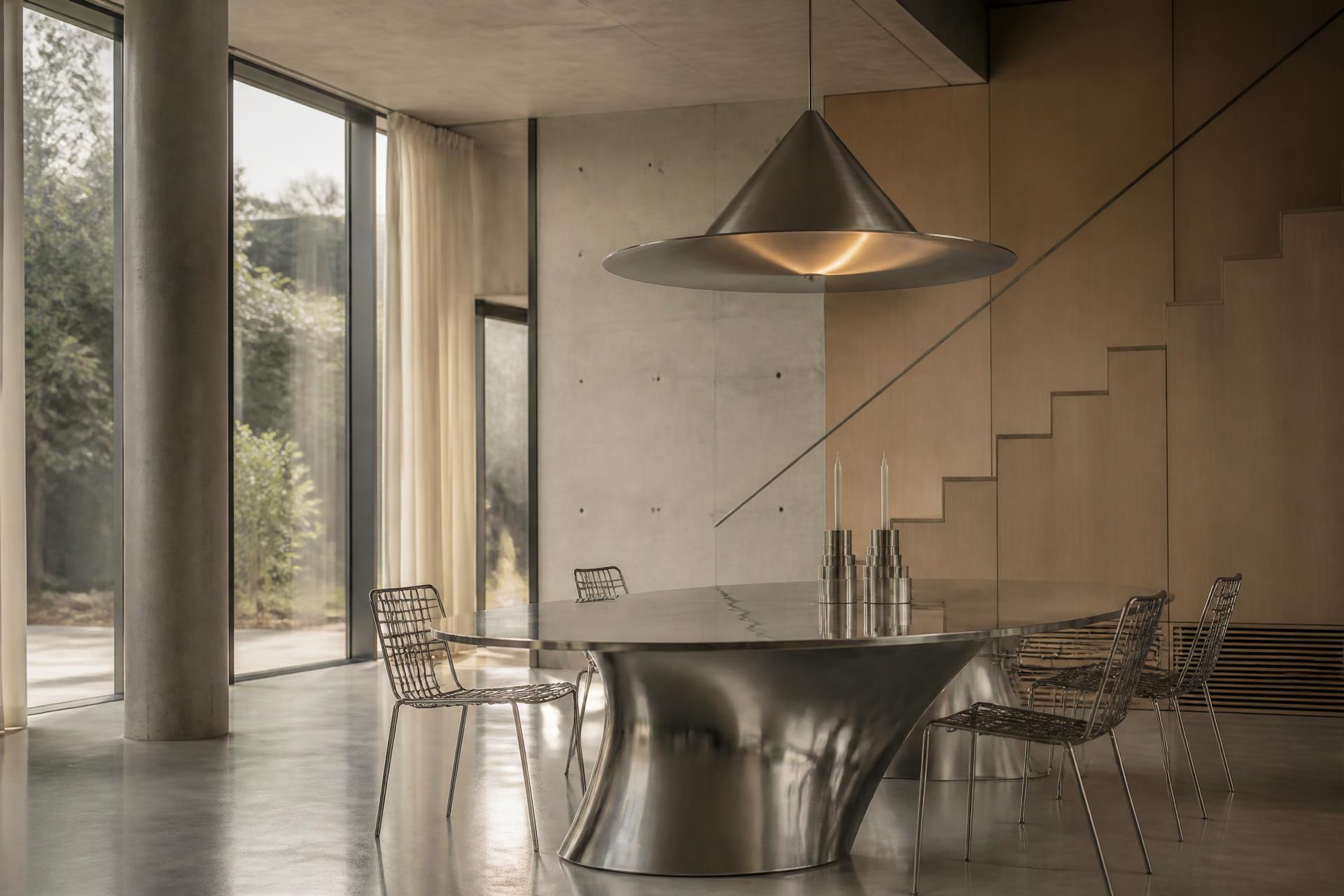
A monolithic dining table re-specified in warm grey titanium. Only the base material was replaced — camera, room and daylight are untouched.
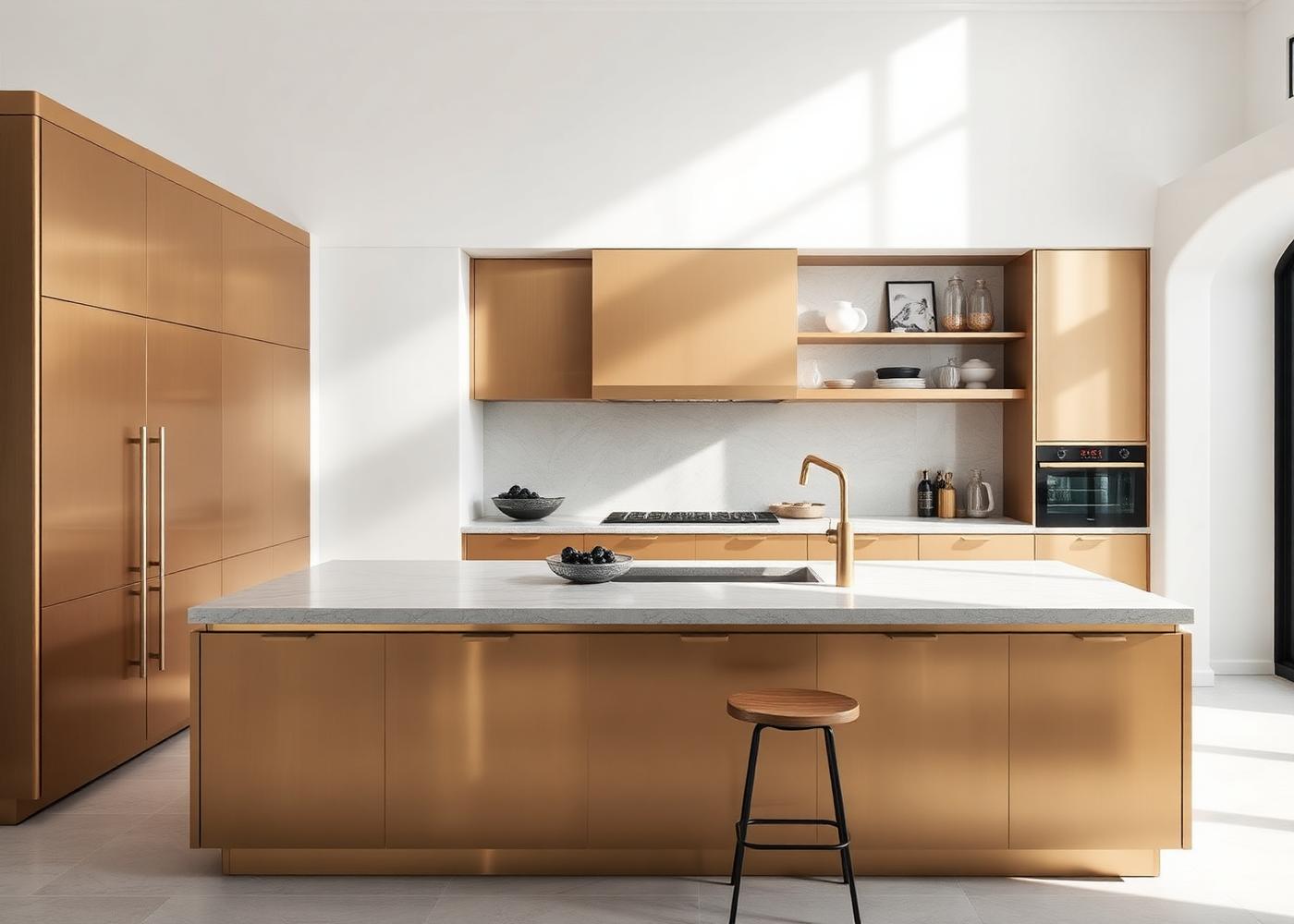
Island cladding studied in unlacquered brass, showing how the alloy warms up under a south-facing window through the day.
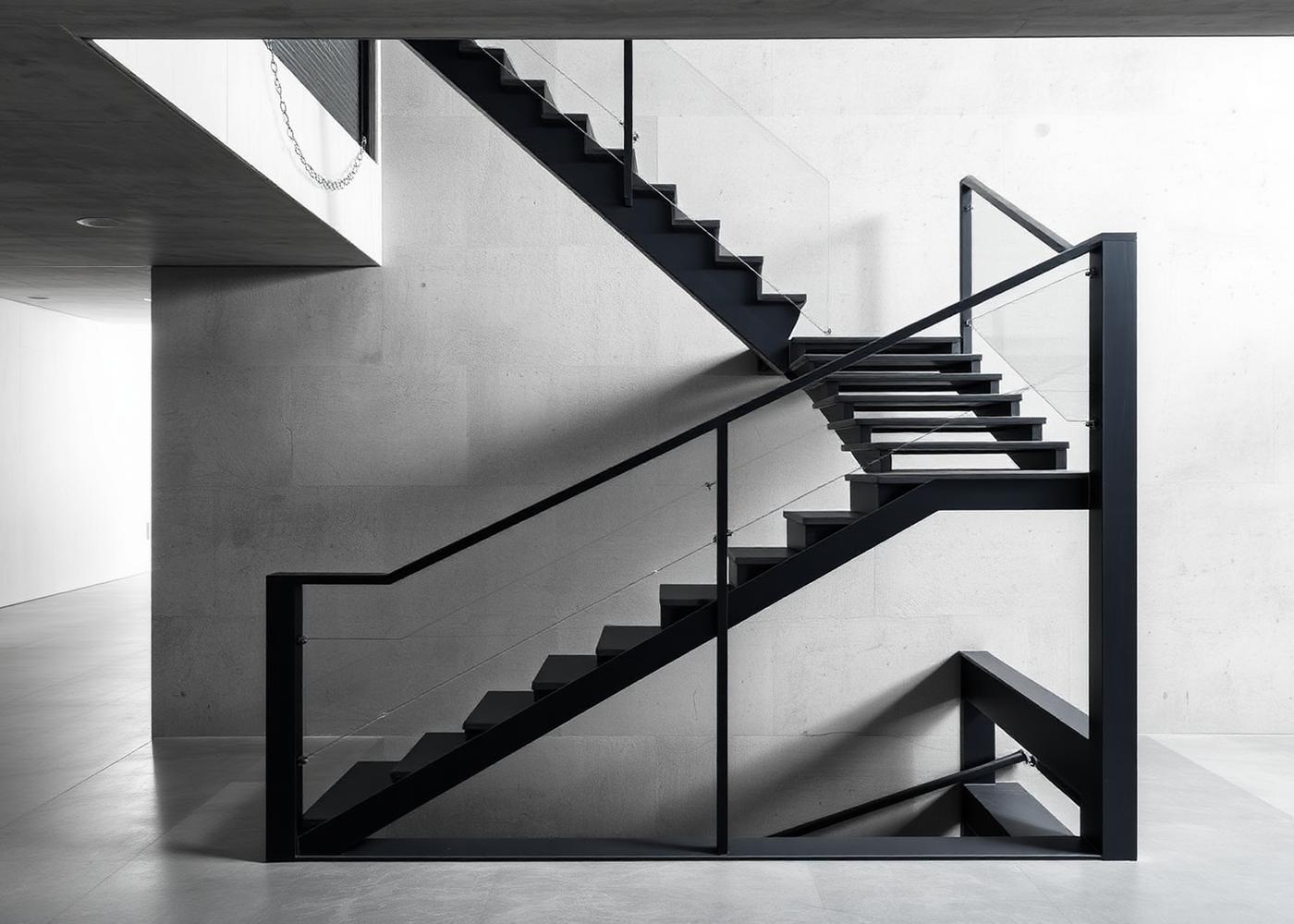
Folded stair plate in blackened steel. The finish keeps the shadow line sharp while softening reflections on the treads.
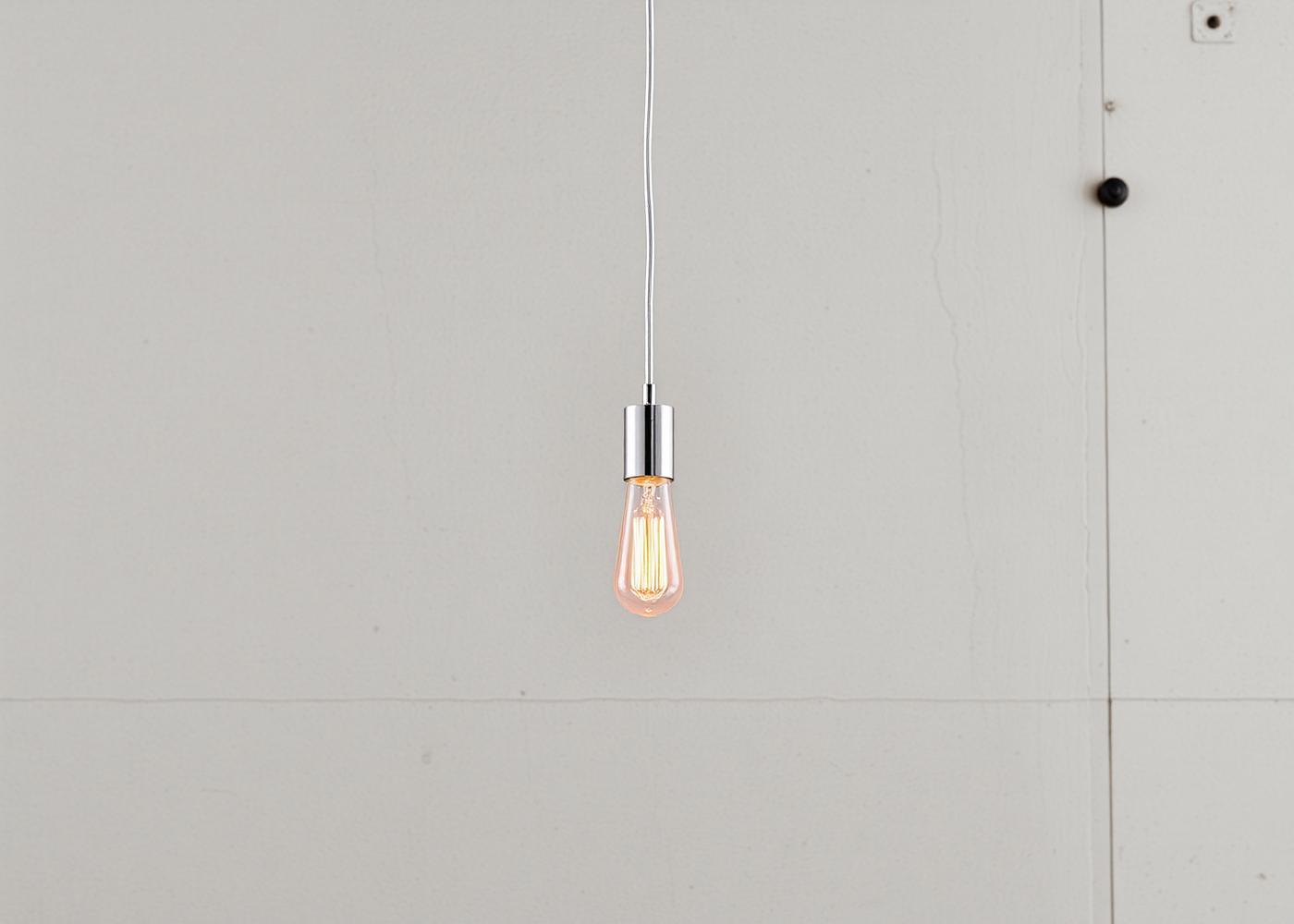
Pendant shades rendered in full mirror chrome to test how much of the room each fixture returns to the eye.
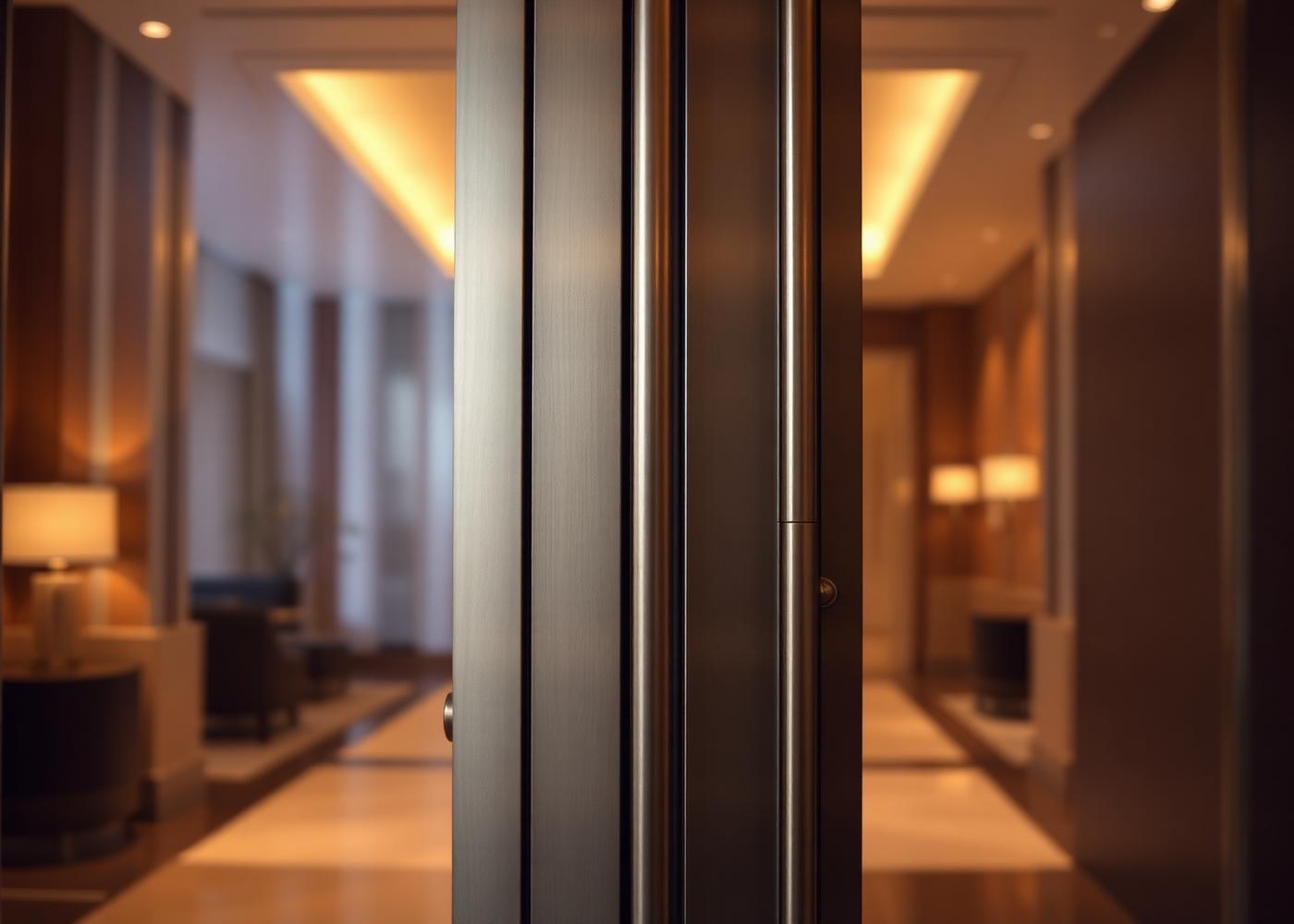
A three-metre pivot leaf in hand-rubbed bronze, presented to the client before any panel was ordered from the workshop.
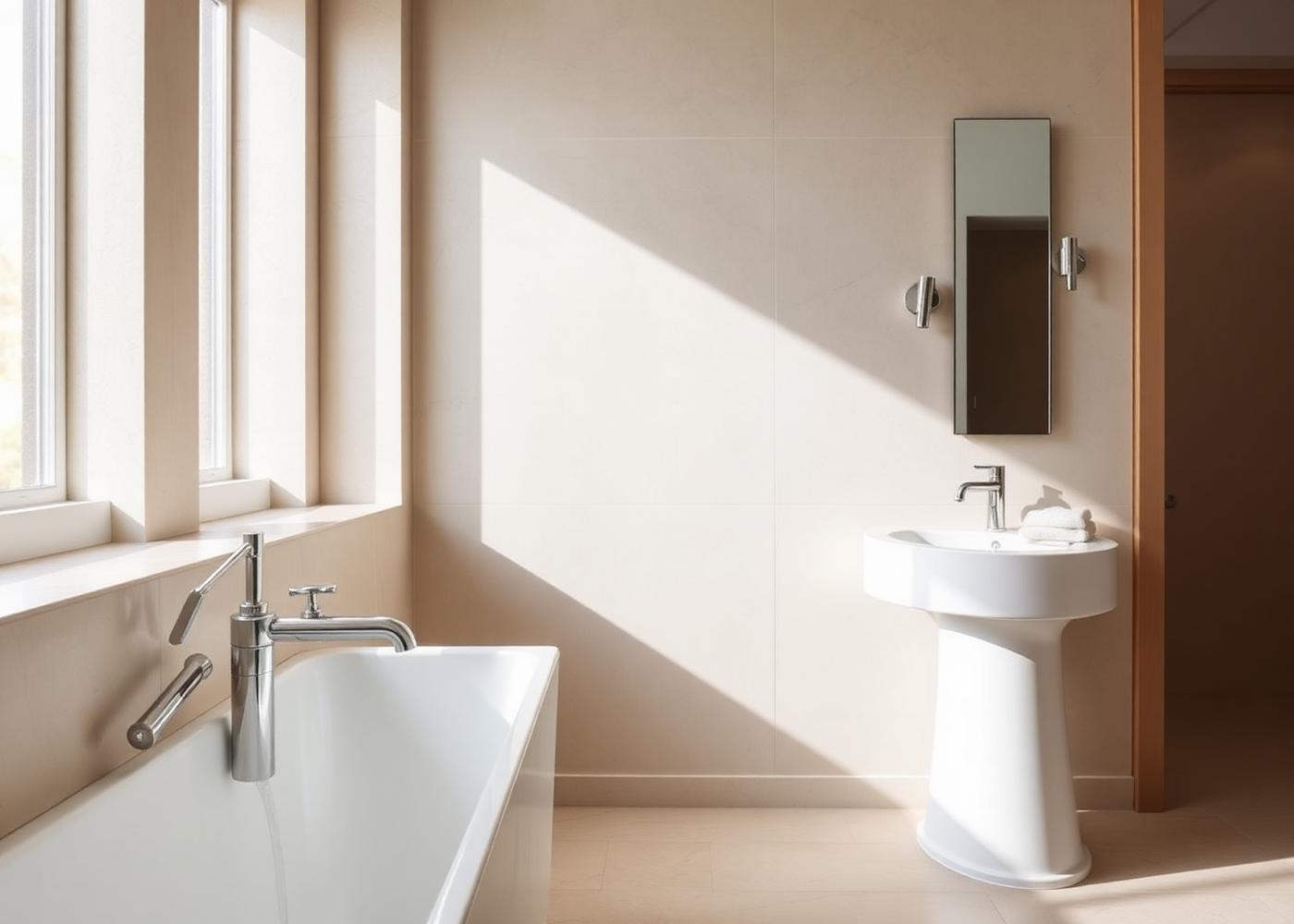
Tapware and mirror frame swapped to polished chrome against travertine, checking glare levels in strong morning light.
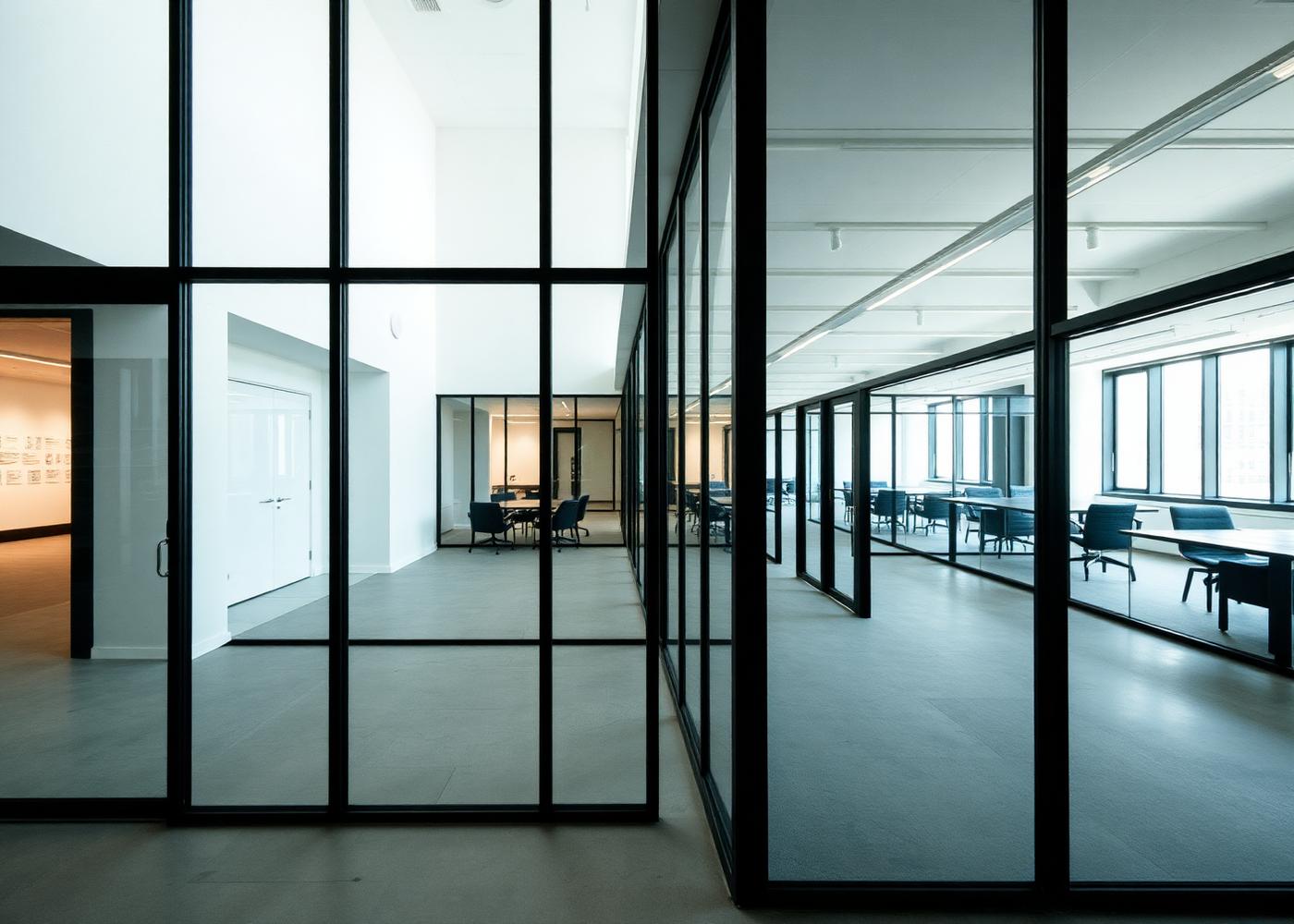
Glazing frames tested in matte black steel to confirm the grid reads as a drawn line, not as a heavy structure.
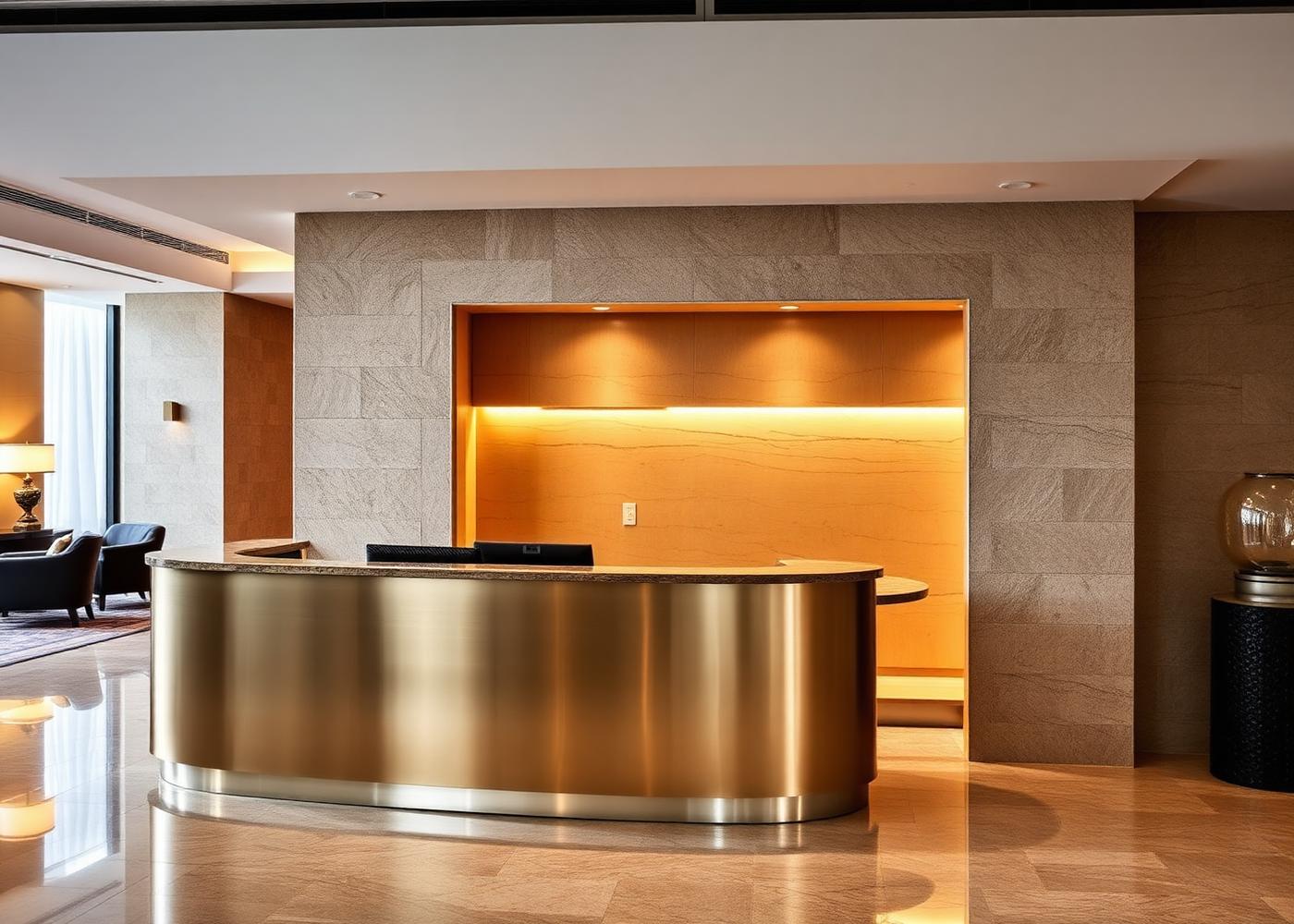
Curved reception front in brushed brass, evaluated against warm stone to keep the lobby from tipping into yellow.
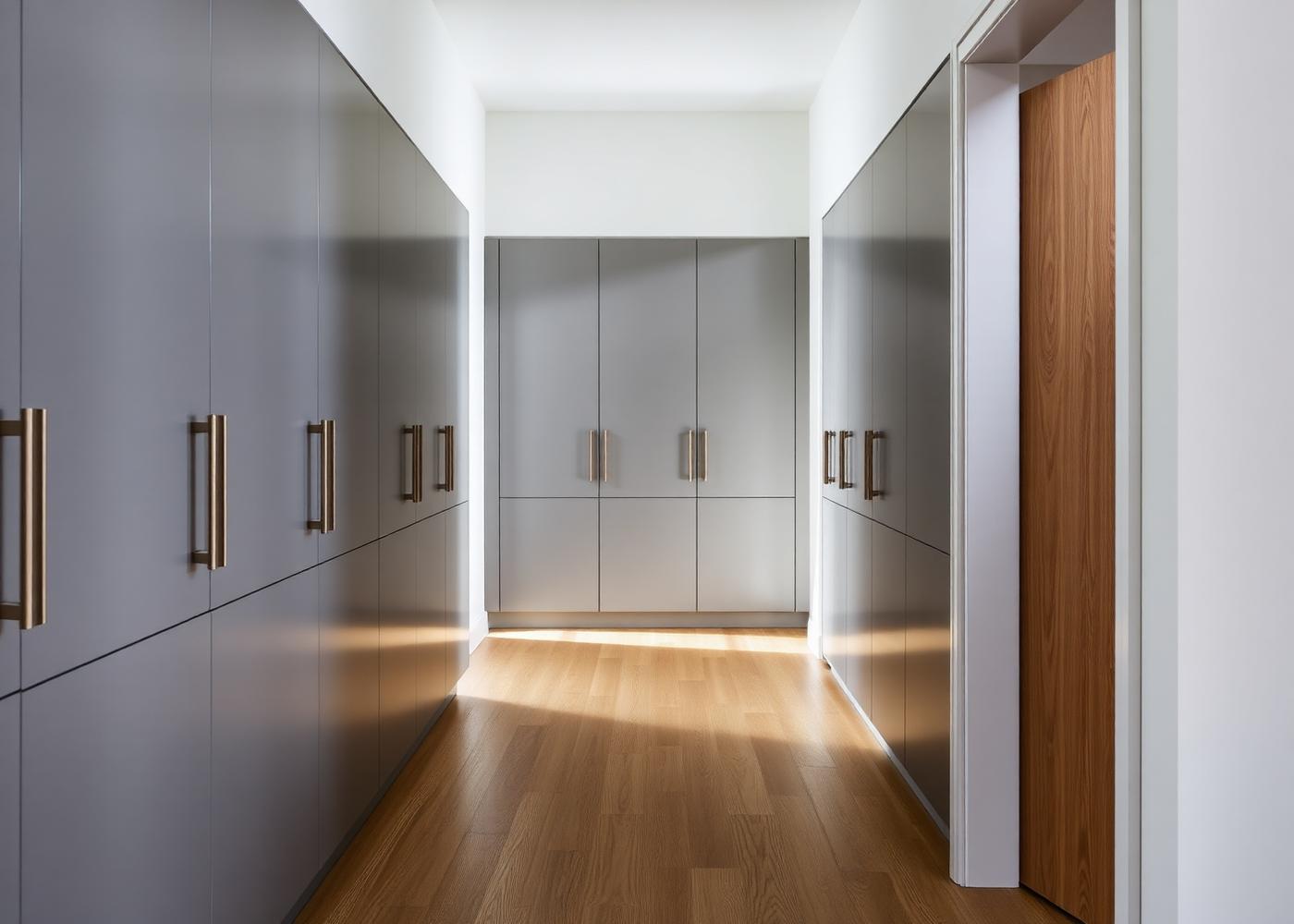
Handleless joinery fronts in anodised titanium grey. The finish holds an even tone across a four-metre run.
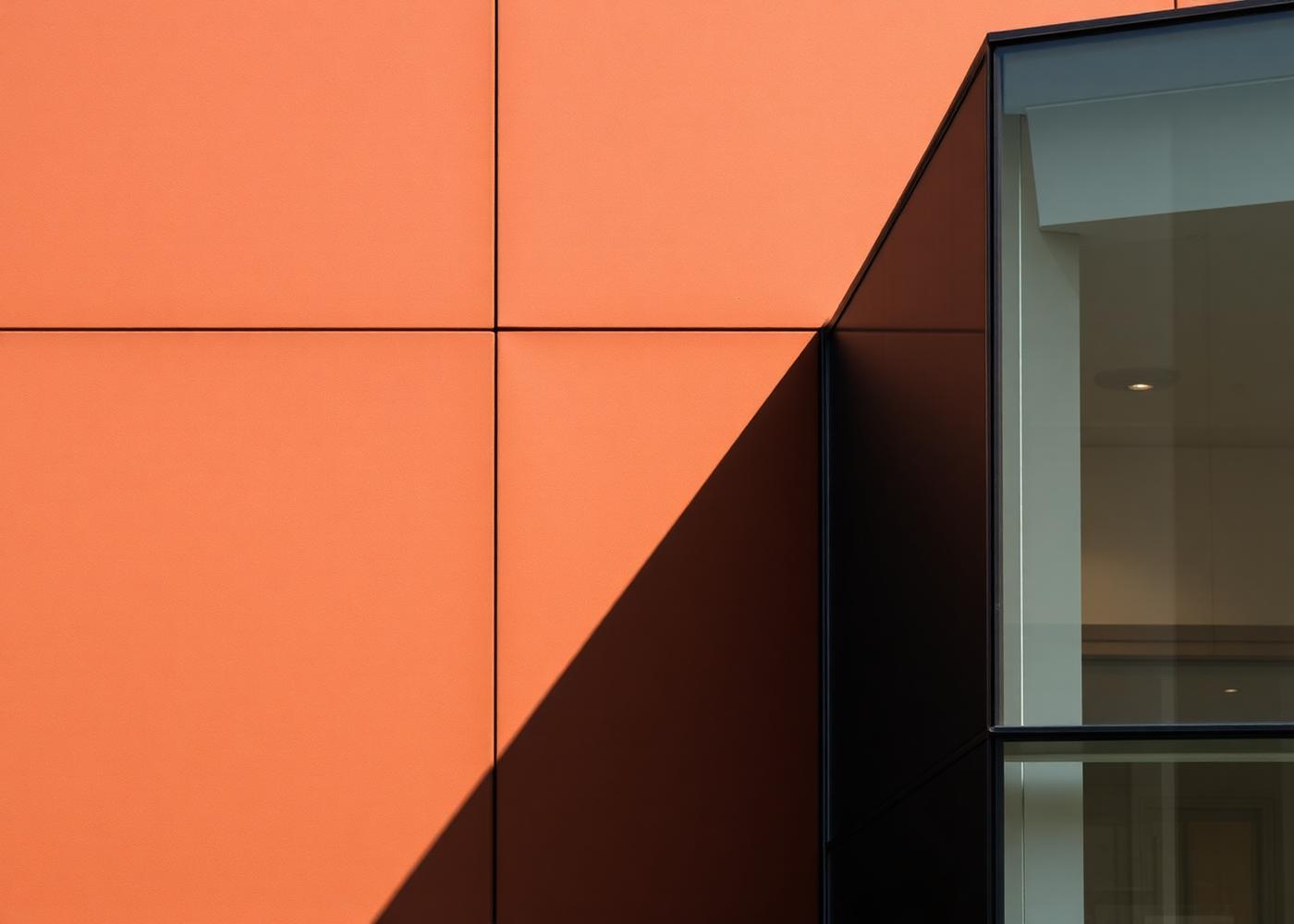
A facade corner studied in weathered corten, with the oxide tone matched to the third year of natural patination.
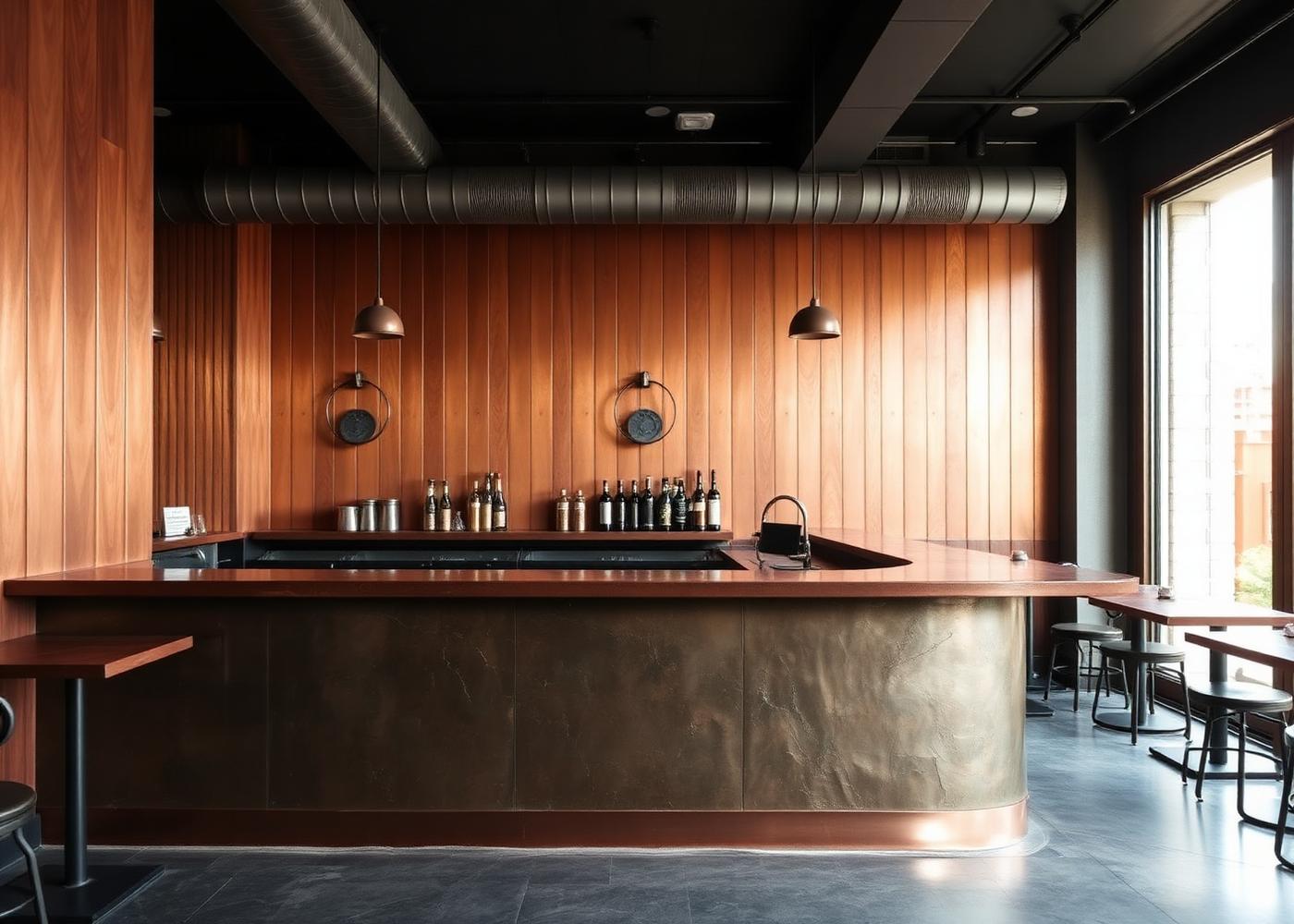
Restaurant counter clad in patinated copper, showing how the surface reads under low evening light and warm spots.
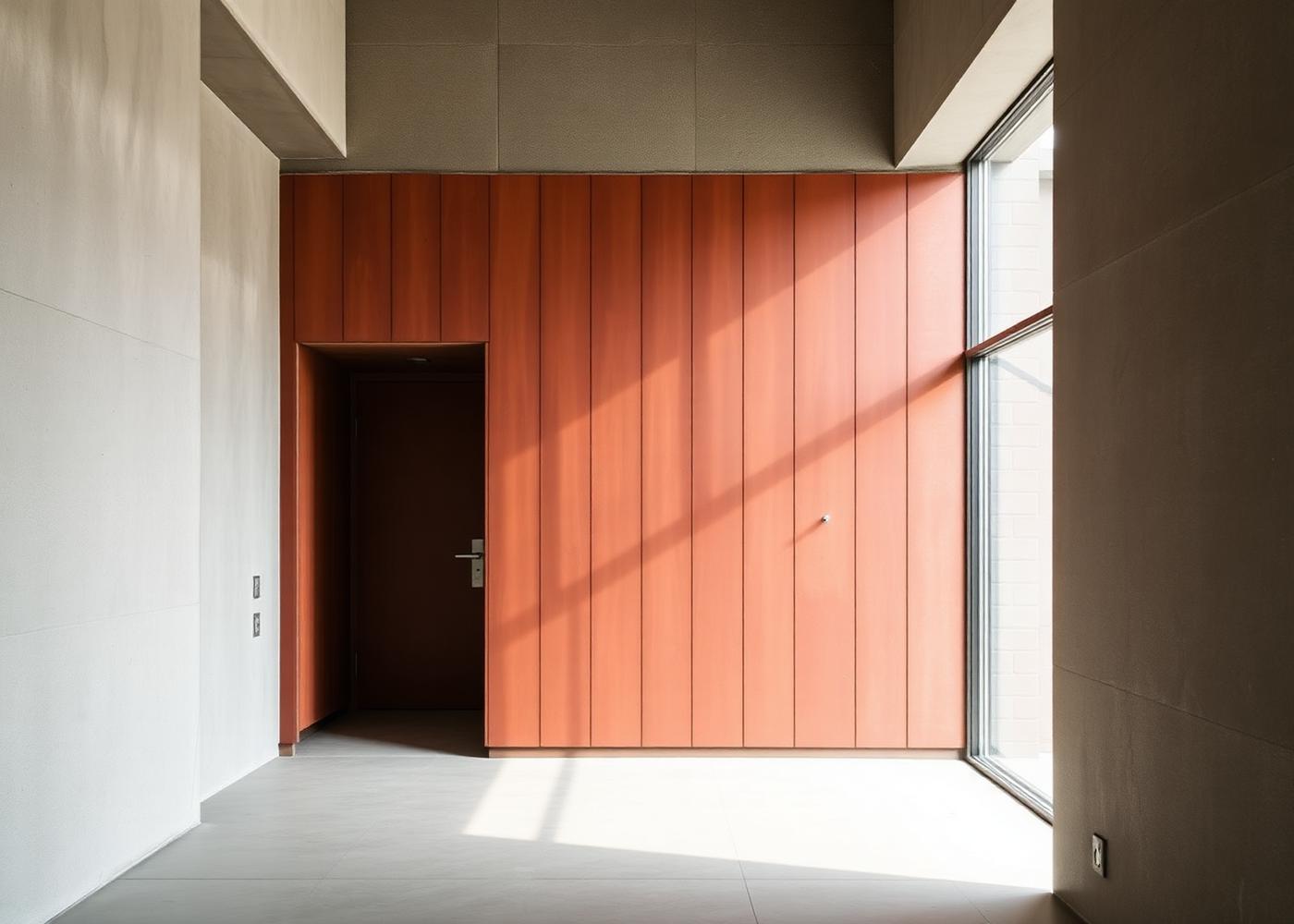
Entrance cladding in corten panels, compared against pale concrete to keep the rust tone from overwhelming the hall.
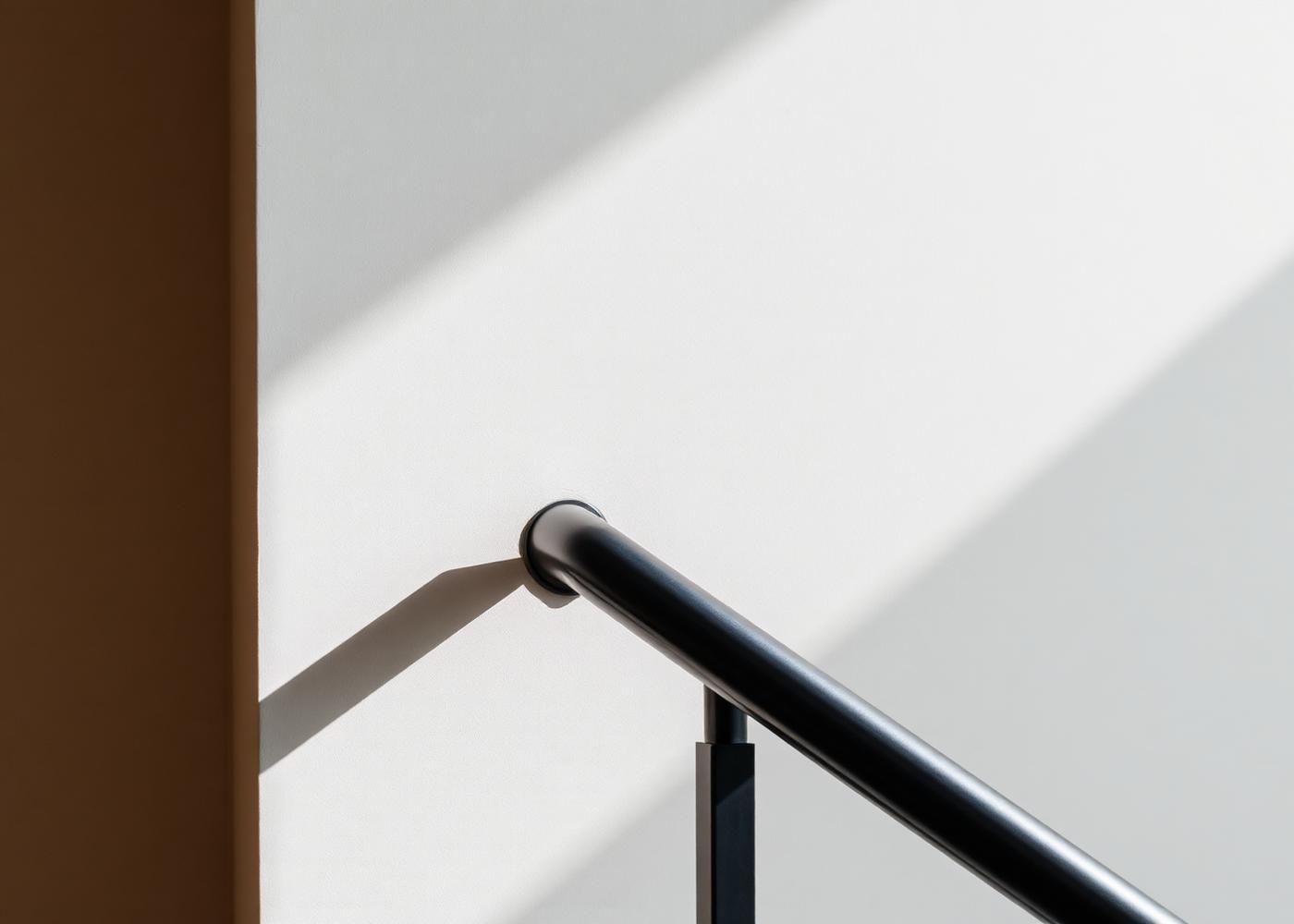
A wall-mounted handrail junction in blackened steel — a macro study used to approve the finish before fabrication.